

OPERATING WAREHOUSE / STORAGE FACILITY
Find a company and location providing warehousing, storage, handling, or related freight services.
USE WHEN YOU HAVE Freight that needs somewhere to go.
Find storage capacity →Explore warehousing and storage facilities by location, represented services, freight-handling capabilities, transportation connections, and the network surrounding each location.
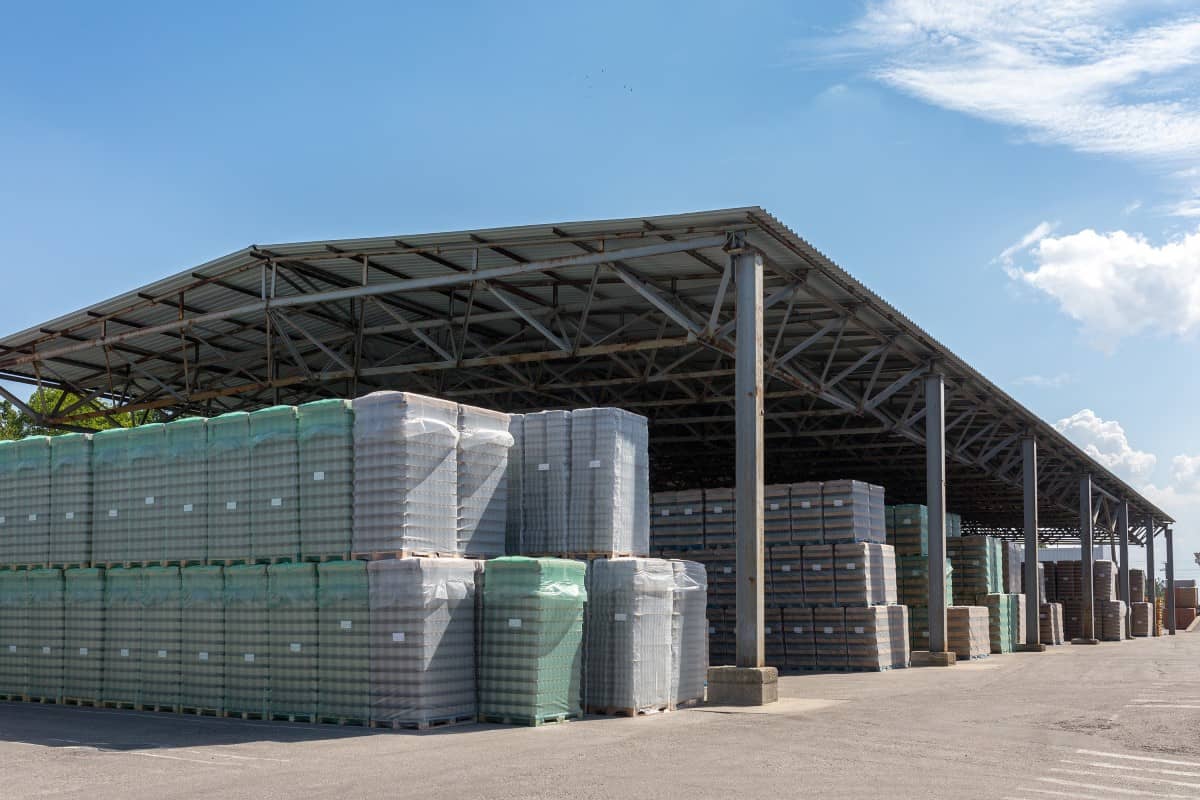
Warehousing and storage can provide the space between transportation events, production schedules, customer demand, distribution, and the next stage of a freight move.
The right facility depends on the freight, storage requirement, handling needs, transportation, timing, and location.
Search represented warehousing and storage locations using geography, services, freight capabilities, transportation relationships, and surrounding network context.
Oakland, CA
Operated by A&G Transport Inc.
Thorold, ON
Operated by Niagara Port Services Inc.
Gadsden, AL
Operated by OmniTRAX Leasing, LLC
Yakima, WA
Operated by Jaguar Transport Holdings, LLC
Gastonia, NC
Operated by Jaguar Transport Holdings, LLC
Gastonia, NC
Operated by Jaguar Transport Holdings, LLC
Bedford Park, IL
Operated by G3 Logistics
Records as represented by each facility. No available space, pallet positions, acreage, or pricing is shown because none is represented. Order: Find a Provider’s default listing order.
Explore warehousing and storage facilities alongside railroads, highways, ports, terminals, transload facilities, and other freight infrastructure.
Location is only the beginning. Freight characteristics, storage environment, handling, duration, transportation, and operating requirements can all shape which facilities deserve deeper evaluation.
What is being stored?
What environment or storage type is required?
How must the freight be moved or managed?
How does storage fit into the move?
How does freight arrive and leave?
Which locations deserve deeper evaluation?
Explore facilities using the storage capabilities represented in the Commtrex network.
A represented storage capability does not establish current available capacity.
Depending on the location, represented services may include freight handling, transfer, staging, packaging, cross-docking, and other operational capabilities.
Interface categories. A facility shows only the services its record represents.
Facility information describes represented capabilities. Current availability depends on the freight, quantity, storage requirements, timing, handling, and operating conditions of the specific move.
What the facility is represented as able to support
How much the operation can support
What can be accepted for a specific requirement now
Do not infer available storage from building size, property acreage, or a listed storage capability.
Building square footage describes physical space. Storage capacity depends on how the facility operates, how freight is stored, infrastructure, handling requirements, and how much capacity is actually available.
Physical building area
Operational capacity
Current capacity for a specific requirement
Commtrex does not convert square footage into pallets, tons, railcars, or storage positions.
Rail service can change how freight reaches and leaves a warehouse or storage location. Keep documented rail service separate from rail infrastructure or track that is simply nearby.
The nearest railroad is not necessarily the railroad serving the facility.
Transload transfers freight between transportation modes. Storage provides a place for freight to dwell, stage, or wait between transportation events. Some facilities may support both functions where those capabilities are represented.
Do not assume a storage facility provides transload simply because it is near rail or a transload location.
Transfers freight between modes.
Holds freight between transportation events.
A facility may support one or both, as represented.
Warehousing and storage can support freight moving through ports and terminals before inland distribution, production, transfer, or final delivery.
Warehouse near port / terminal
Facility represented as part of a specific gateway operation
A storage facility near a port or terminal is not automatically affiliated with or serving that gateway.
Different freight can require different storage environments, handling methods, infrastructure, regulatory considerations, and operating procedures.
A commodity or freight category represented for a facility does not guarantee acceptance of a specific product or shipment.
Explore the warehouse or storage location alongside documented transportation relationships and nearby freight infrastructure that may shape the move.
Document the connection. Map the proximity. Keep the two distinct.
Freight infrastructure often clusters in the same industrial markets. Geographic proximity can provide useful context without establishing an operating relationship.
Document the connection. Map the proximity. Keep the two distinct.
| DOCUMENTED | PROXIMITY |
|---|---|
| Operated by · Company | Interstate · 2 mi |
| Rail-served · Railroad | Port / terminal · 8 mi |
| Storage · Indoor | Transload · 5 mi |
| Service · Transload | Intermodal · 11 mi |
Find a company and location providing warehousing, storage, handling, or related freight services.
USE WHEN YOU HAVE Freight that needs somewhere to go.
Find storage capacity →Find a warehouse, industrial building, or site to occupy, lease, acquire, or evaluate for an operation.
Use when you need A property for the operation itself.
Explore industrial properties →An operating warehouse and the industrial property it occupies are related physical concepts, but they are not the same Commtrex entity.
Tell Commtrex what needs to be stored, where, when, for how long, and what handling, transportation, or facility requirements matter.
Represent your locations, storage services, freight-handling capabilities, transportation relationships, and surrounding network context where companies are researching logistics options.
Where represented in facility data, users can explore warehousing and storage locations using supported storage, handling, transportation, and freight-capability categories.
No. A represented storage capability describes what a facility is associated with or equipped to support. Current capacity and availability for a specific freight requirement must be confirmed separately.
No. Building square footage describes physical building area. Storage capacity depends on the operation, storage configuration, freight, infrastructure, handling requirements, and other facility characteristics.
Where rail service is documented, rail-served facilities can be distinguished from locations that simply have rail infrastructure or are near rail.
No. Rail proximity does not establish active rail service. Serving-railroad relationships should only be represented where supported by facility data.
Geographic search can provide context around ports and terminals. A facility near a gateway should not automatically be treated as affiliated with or serving that port or terminal.
No. The Network represents operating freight facilities and providers. Industrial Real Estate represents property and site opportunities. The same physical location may relate to both, but they remain separate entities and workflows.
Use Find Capacity to provide the freight, location, timing, duration, storage, handling, transportation, and other requirements relevant to the move.
Explore warehousing and storage facilities alongside railroads, highways, ports, terminals, transload locations, and other freight infrastructure across North America.