

Transload facility
Odyssey Railcar Illinois
Carterville, IL
Operator Odyssey Railcar
- Documented
- Freight / handling
Search transload facilities across North America and explore railroad relationships, handling capabilities, storage, transportation connections, and the freight network surrounding each location.
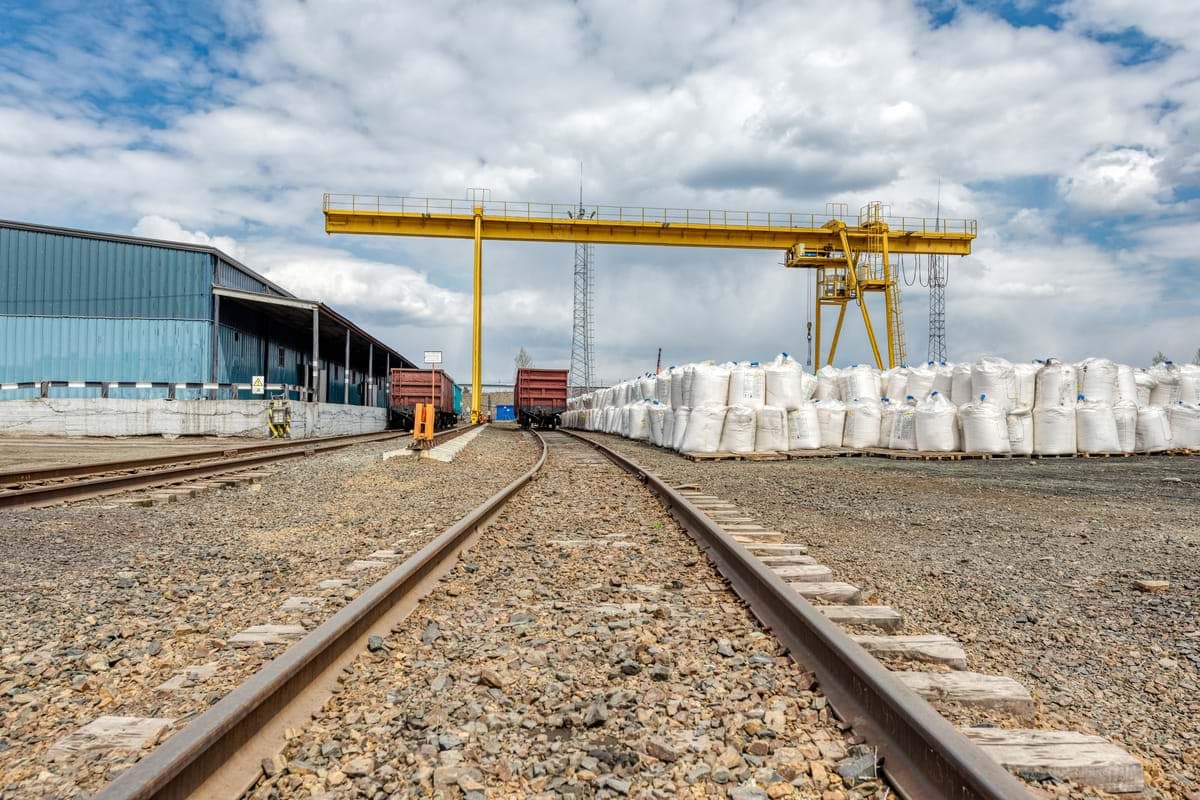
Transload facilities help move freight between transportation modes, often connecting rail transportation with truck delivery or pickup when the origin or destination is not directly rail-served.
The specific transportation modes, services, and handling capabilities depend on the facility.
Search transload locations by geography, documented railroad relationships, represented freight capabilities, and surrounding transportation context.
Showing 1–20 of 42,121 represented facilities
Railroads appear only where a facility record documents them. Freight categories describe represented capability, not acceptance of a specific shipment.
Explore transload facilities alongside railroads, highways, ports, terminals, storage locations, and other freight infrastructure.
Loading map data…
Location matters, but so do the freight, transportation mode, handling requirements, storage needs, equipment, and final origin or destination.
What is moving?
How is it arriving and leaving?
What transfer capability is required?
Does freight need to dwell?
Where does the transfer need to happen?
Which locations deserve deeper evaluation?
A rail line near a transload facility does not establish active rail service. Where documented, Commtrex distinguishes the serving railroad from rail infrastructure or networks that are simply nearby.
The nearest railroad is not necessarily the serving railroad.
Freight characteristics can determine the equipment, infrastructure, storage, and handling processes required at a transload location.
Displayed freight categories describe represented facility capabilities. They do not guarantee that a facility will accept a specific commodity or shipment.
Transload operations may use different equipment and infrastructure depending on the commodity, packaging, transportation mode, and transfer process.
Equipment listed at a facility does not establish current availability for a specific shipment.
Interface categories. A facility shows only the equipment its record documents.
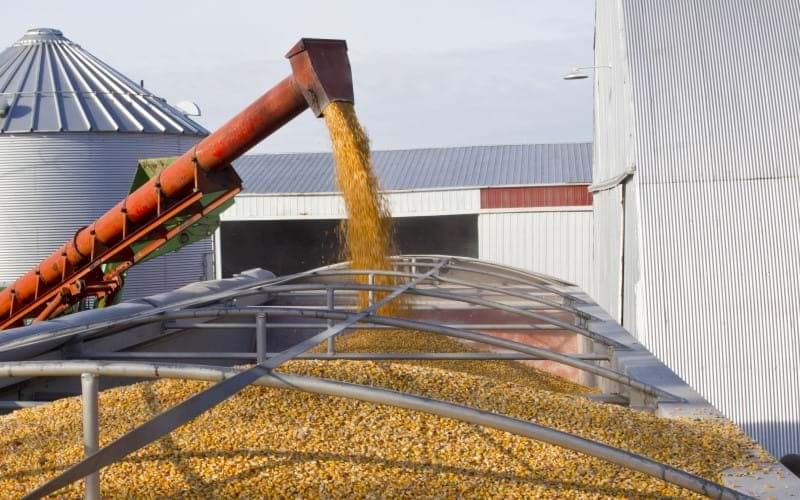
Some transload facilities also provide storage or staging between transportation modes. Where represented, storage capabilities should remain separate from current available capacity.
Storage capability does not mean storage capacity is currently available.
Explore storage locations →Transload facilities can provide additional transfer options around ports, terminals, and inland freight corridors. Geographic proximity can help identify candidates, but it does not establish an operational relationship with the gateway.
A transload facility near a port is not automatically affiliated with that port.
Illustrative examples.
Evaluate the facility alongside railroads, highways, ports, terminals, warehousing, storage, and other freight infrastructure that may shape the move.
Document the connection. Map the proximity. Keep the two distinct.
Illustrative example — not a Commtrex record.
Freight infrastructure often clusters geographically. That does not mean every nearby railroad, terminal, warehouse, or transportation asset has an operating relationship with the facility.
| DOCUMENTED | PROXIMITY |
|---|---|
| Operated by · Company | Interstate · 3 mi |
| Rail-served · Railroad | Port · 8 mi |
| Transload service | Terminal · 6 mi |
| Storage service | Warehouse · 4 mi |
| Supported handling capability | Intermodal · 10 mi |
Tell Commtrex what needs to move, where it is coming from, where it is going, and what handling or storage requirements matter.
Represent your transload locations, railroad relationships, services, freight capabilities, equipment, storage, and network context where companies are researching freight options.
Explore industrial land, warehouses, rail-served properties, and logistics sites while understanding the freight infrastructure surrounding each property.
A location providing freight-transfer services.
A real-estate location being evaluated for occupancy, acquisition, lease, or development.
Transloading is the transfer of freight between transportation modes, such as rail and truck, so freight can continue between origins and destinations that may not be served by the same mode.
Where serving-railroad relationships are documented, users can explore transload facilities associated with specific railroads. A nearby railroad should not be treated as the serving railroad unless that relationship is supported.
No. Geographic proximity and rail infrastructure do not by themselves establish active rail service.
Where facility capability data is represented, users may be able to narrow transload discovery using freight or commodity categories. Those categories describe represented capabilities and do not guarantee acceptance of a specific shipment.
Some transload facilities also represent indoor, outdoor, bulk, or other storage capabilities. Storage capability does not establish current available storage capacity.
Not necessarily. Equipment information describes represented facility infrastructure or capabilities. Availability and suitability for a specific shipment should be confirmed during the capacity process.
Yes. Commtrex can provide geographic context around ports, terminals, and other freight gateways. A nearby transload facility should not be assumed to be affiliated with the gateway unless that relationship is documented.
Use Find Capacity to provide the shipment, origin, destination, transportation, handling, storage, and other requirements relevant to the move.
Explore transload facilities alongside railroads, highways, ports, terminals, storage locations, and freight services across North America.