

Find trucking providers in the freight network.
Explore trucking companies by geography, represented services, operating locations, and the ports, terminals, transload facilities, warehouses, and freight markets around them.
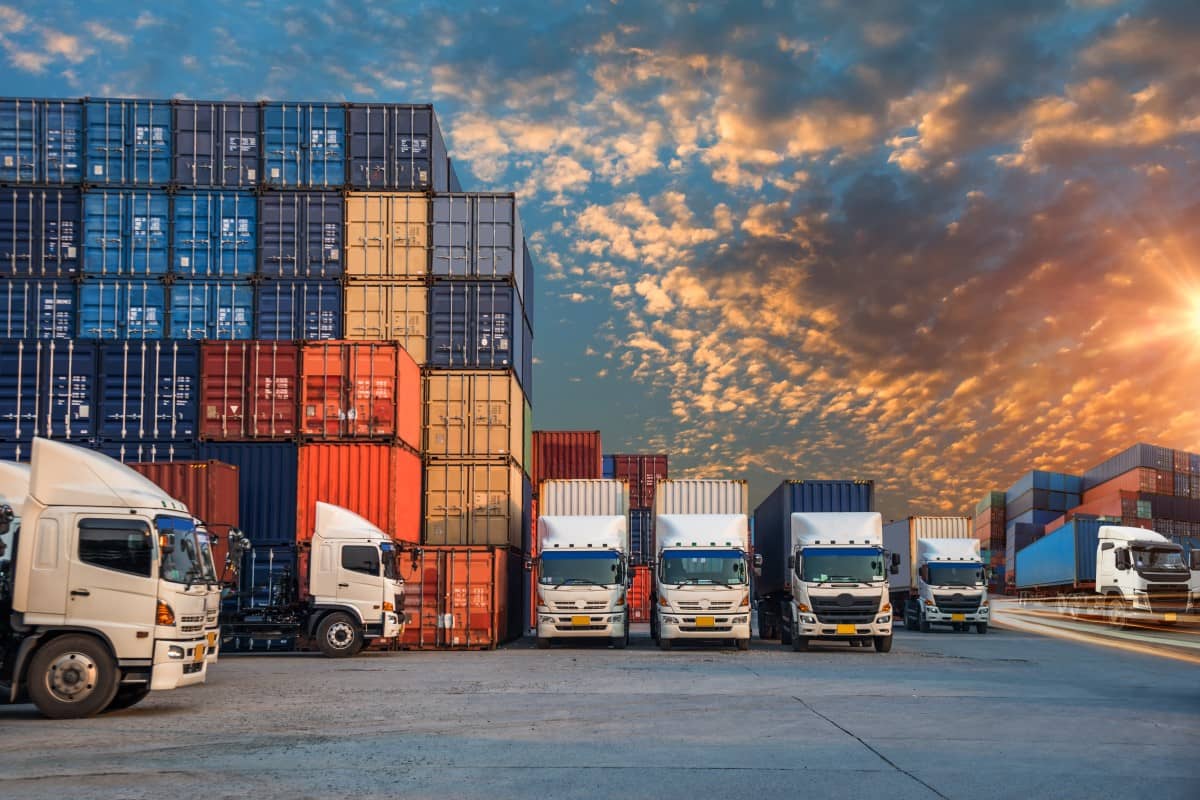
- PORT / TERMINAL
- TRUCK
- TRANSLOAD / WAREHOUSE
- SHIPPER / RECEIVER
Trucks connect the places where freight changes hands.
Trucking links origins and destinations with ports, terminals, transload facilities, warehouses, rail-served locations, and other points across the freight network.
- PORT / TERMINAL
- TRUCKING
- TRANSLOAD / WAREHOUSE
- SHIPPER / RECEIVER
The relevant provider depends on the lane, freight, service requirement, equipment, and operating geography.
Find trucking providers by market and service.
Search trucking companies using represented provider information, operating geography, services, and freight-network context.
Loading trucking providers…
Inclusion in Commtrex is not customer status, partnership, verification, or availability. Provider records come from the FMCSA carrier census (as loaded 2026-08-08), a logistics-provider directory, or the provider's own listing; the census address is a business address, not an operating terminal, and no record is placed on the map.
See trucking providers in the freight markets around them.
Explore represented trucking providers and operating locations alongside ports, terminals, transload facilities, warehousing, storage, and other freight infrastructure.
- Facility at its recorded location
- Distance from the market center
Where a trucking company is located is not the same as where it operates.
A headquarters, terminal, or operating location tells you where the company has a physical presence. Service geography describes where the provider represents freight operations. Keep the two distinct.
A provider located near an origin or destination should not automatically be treated as serving the lane.
The right trucking provider depends on the move.
Geography is only the beginning. Freight characteristics, lane, equipment, service requirements, timing, and facility context can all affect which providers deserve deeper evaluation.
- 01FREIGHTWhat is moving?
- 02ORIGIN + DESTINATIONWhat lane needs to be served?
- 03SERVICEWhat trucking service is required?
- 04EQUIPMENTWhat equipment does the move require?
- 05NETWORK CONTEXTWhich facilities or gateways are involved?
- 06PROVIDERWhich companies deserve deeper evaluation?
Different freight moves require different trucking services.
Explore providers using the trucking-service categories represented in the Commtrex network.
Explore trucking services →The trucking-service categories Commtrex records. A represented service describes capability, not acceptance or availability for a specific shipment; no provider offers every service.
- TRUCKLOADFull-truckload freight transportationRecorded by default for FMCSA census carriers, so not offered as a filter
The service type is only part of the trucking requirement.
Equipment needs can depend on the freight, loading method, dimensions, weight, temperature requirements, and facilities involved in the move.
- Dry van
- Flatbed
- Step deck / lowboy
- Reefer (refrigerated)
- Hopper bottom
- Liquid tanker
- Pneumatic bulk tanker
- Container chassis
- End dump
- Roll-off
Equipment represented for a provider does not establish current equipment availability for a specific shipment.
Connect freight gateways to inland markets.
Trucking moves freight between ports and terminals and the warehouses, transload facilities, distribution centers, and customers beyond the gateway.
- TRANSLOAD
- WAREHOUSE / STORAGE
- SHIPPER / RECEIVER
- NEAR A PORT
- Provider or operating location geographically nearby
- DRAYAGE / PORT SERVICE
- Provider represented as offering the relevant service
A trucking provider near a port should not automatically be treated as a drayage provider or as serving that gateway.
Connect rail freight to the first or last mile by truck.
Trucking and transload work together when freight needs to move between rail transportation and an origin or destination that is reached by truck.
A provider located near a transload facility is not automatically affiliated with or serving that facility.
- RAIL
- TRANSLOAD FACILITY
- TRUCK
- SHIPPER / RECEIVER
Connect freight transportation with the places where goods are stored and distributed.
Explore the trucking network alongside warehouses, storage facilities, distribution locations, and other freight nodes represented across North America.
- TRUCKING
- WAREHOUSE / STORAGE
- CUSTOMER / DISTRIBUTION NETWORK
Being nearby does not mean a trucking provider serves a warehouse. Relationships appear only where documented.
Explore warehousing & storage →Use provider records as information, not as a promise of availability.
Trucking-provider records can help identify companies and represented services. Registration, authority, operating status, insurance, safety information, service suitability, and current availability may require separate confirmation depending on the move.
- IDENTITY
- Company nameUSDOT number where supportedMC number where supported
- OPERATING INFORMATION
- Canonical public operating-status fields where available
- SERVICES
- Represented trucking categories
- LOCATIONS
- Documented provider operating locations
- SERVICE GEOGRAPHY
- Only where separately represented
Safety ratings, insurance, authority status, inspection, crash, and compliance data are shown only when they come from a canonical source, with that source's date.
Understand the freight infrastructure around the trucking market.
Explore trucking alongside ports, terminals, transload facilities, warehouses, rail networks, highways, and other freight infrastructure that may shape the move.
Network context is geographic. It does not establish that a provider serves any facility shown.
Know what the provider represents and what is simply nearby.
Freight providers and infrastructure often cluster around the same markets. Geographic proximity alone does not establish that a provider serves a facility, gateway, or lane.
DOCUMENTED / REPRESENTED
- Service · Flatbed
- Operating location · Cleveland, OH
- Service area · Ohio
- Drayage · represented service
PROXIMITY
- Port / terminal · 12 mi
- Transload facility · 4 mi
- Warehouse/storage · 6 mi
- Intermodal terminal · 9 mi
Document the relationship. Map the proximity. Keep the two distinct.
Have a lane? Turn provider discovery into a freight requirement.
Tell Commtrex what needs to move, where it is coming from, where it is going, and what trucking service or equipment the shipment requires.
Make your trucking services easier for freight customers to find and understand.
Represent your company, operating locations, service geography, trucking services, equipment, and freight-network context where companies are researching transportation options.
Exploring trucking providers
Can I search trucking providers by location?
Yes. Geographic search can help identify trucking providers and operating locations represented in a market. A provider's physical location should not automatically be treated as its complete service area.
Is a trucking company's headquarters the same as its service area?
No. Headquarters and operating locations describe physical company locations. Service geography is a separate characteristic and should only be represented where supported by provider data.
Can I search by trucking service?
Where service information is represented, users can explore providers using supported trucking-service categories. A listed service describes represented capability and does not guarantee acceptance or availability for a specific shipment.
Does a trucking provider near a port provide drayage?
Not necessarily. Geographic proximity to a port or terminal does not establish drayage capability or service to that gateway.
Does listed equipment mean equipment is available?
No. Equipment information describes represented provider capabilities. Current availability for a specific shipment should be confirmed through the capacity process.
Can I find trucking providers around transload facilities?
Commtrex can provide geographic context around transload facilities and trucking providers. Proximity does not establish that a provider serves or is affiliated with a particular facility.
Does a provider appearing in Commtrex mean it is a Commtrex customer or verified carrier?
No. Provider records may come from multiple data sources. Directory inclusion should not be treated as customer status, partnership, endorsement, verification, or current availability unless explicitly stated.
How do I find capacity for a specific trucking move?
Use Find Capacity to provide the freight, origin, destination, service, equipment, timing, and other requirements relevant to the shipment.
Find the provider. Understand the network around the move.
Explore trucking providers alongside ports, terminals, transload facilities, warehouses, rail networks, highways, and other freight infrastructure across North America.
- ORIGIN
- TRUCKING
- FREIGHT NETWORK
- DESTINATION