

Transportation networks
Railroads
Explore Class I, regional, and short line railroads and the freight locations connected to their networks.
Explore railroads →See the railroads, ports, terminals, transload facilities, warehouses, trucking providers, rail services, and freight infrastructure that connect freight across the United States, Canada, and Mexico.
A railroad connects to terminals. Terminals connect rail and truck. Ports connect ocean freight to inland networks. Warehouses, transload facilities, carriers, and service providers support the movement between them. Commtrex brings those pieces into one connected freight network.
Rail networks and connections
Freight gateways
Mode-transfer locations, inventory and freight storage
Truck movement, repair, maintenance, consulting, and support
Moving through all of them
Explore freight infrastructure, operating locations, and service providers across North America.
Explore Class I, regional, and short line railroads and the freight locations connected to their networks.
Explore railroads →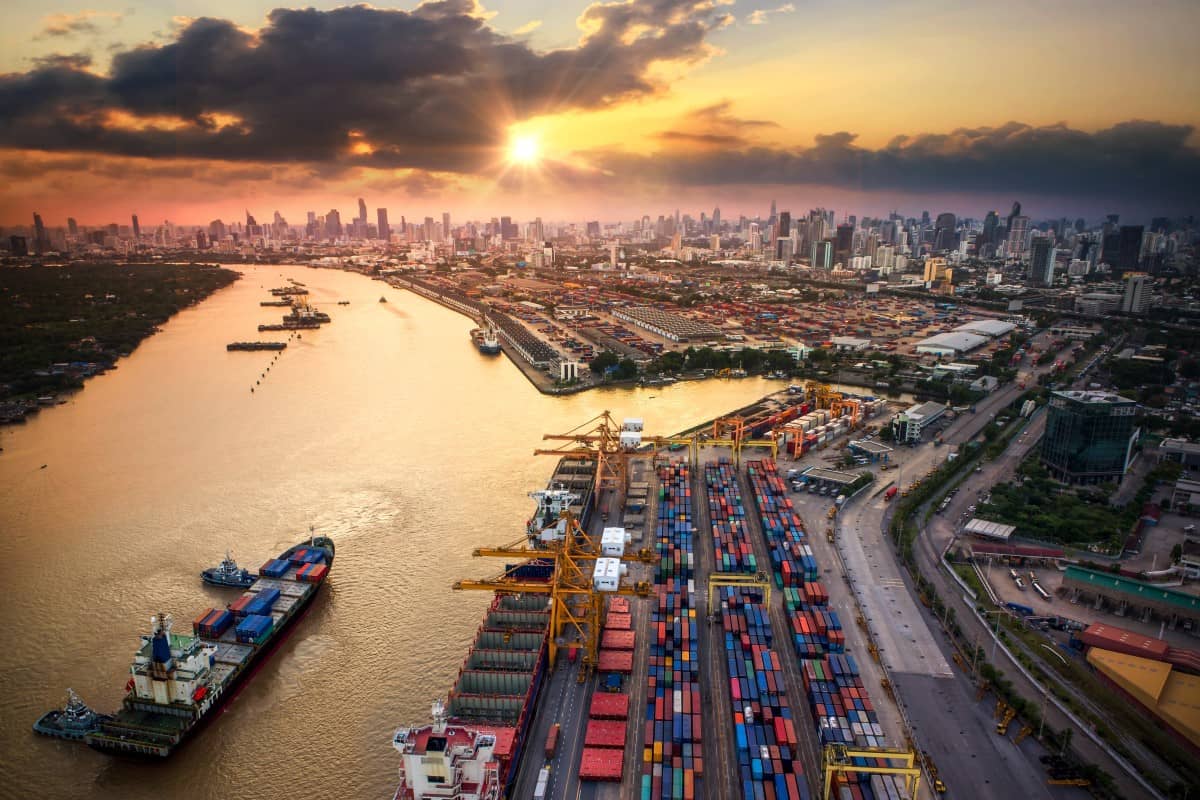
Explore freight gateways connecting ocean, inland, rail, truck, and terminal operations.
Explore ports & terminals →Find locations where freight transfers between rail and truck and explore the transportation networks around them.
Explore transload →Explore freight storage and warehousing locations across key industrial markets.
Explore storage →Explore trucking providers supporting freight movement across North American markets and transportation networks.
Explore trucking →Explore railcar repair, maintenance, consulting, and other services supporting rail operations.
Explore rail services →Explore freight locations and transportation networks across the United States, Canada, and Mexico.
Explore freight infrastructure and service providers around major industrial markets, ports, manufacturing regions, and distribution hubs.
Categories listed under each market reflect what the network represents there. They change as coverage changes, and a category is left out when nothing is represented.
Start with a railroad, port, terminal, facility, provider, or market and follow the transportation relationships around it.
Documented rail service. Direct service shown separately from connecting service.
Documented access. Otherwise shown as proximity, e.g. Interstate · 1.2 mi.
Nearby freight gateway. Proximity does not establish access.
Nearby storage, operated separately.
Service providers, where a relationship is documented. No fixed location implied.
Nearby freight-oriented real estate. A property, not an operating facility.
A nearby freight asset is not automatically connected to the location.
Document the relationship. Map the proximity. Keep the two distinct.
See Class I, regional, and short line railroads alongside the terminals, transload facilities, industrial locations, and markets connected to their networks.
Explore ports and terminals alongside the railroads, highways, transload facilities, warehouses, and service providers that support inland freight movement.
Explore ports & terminals →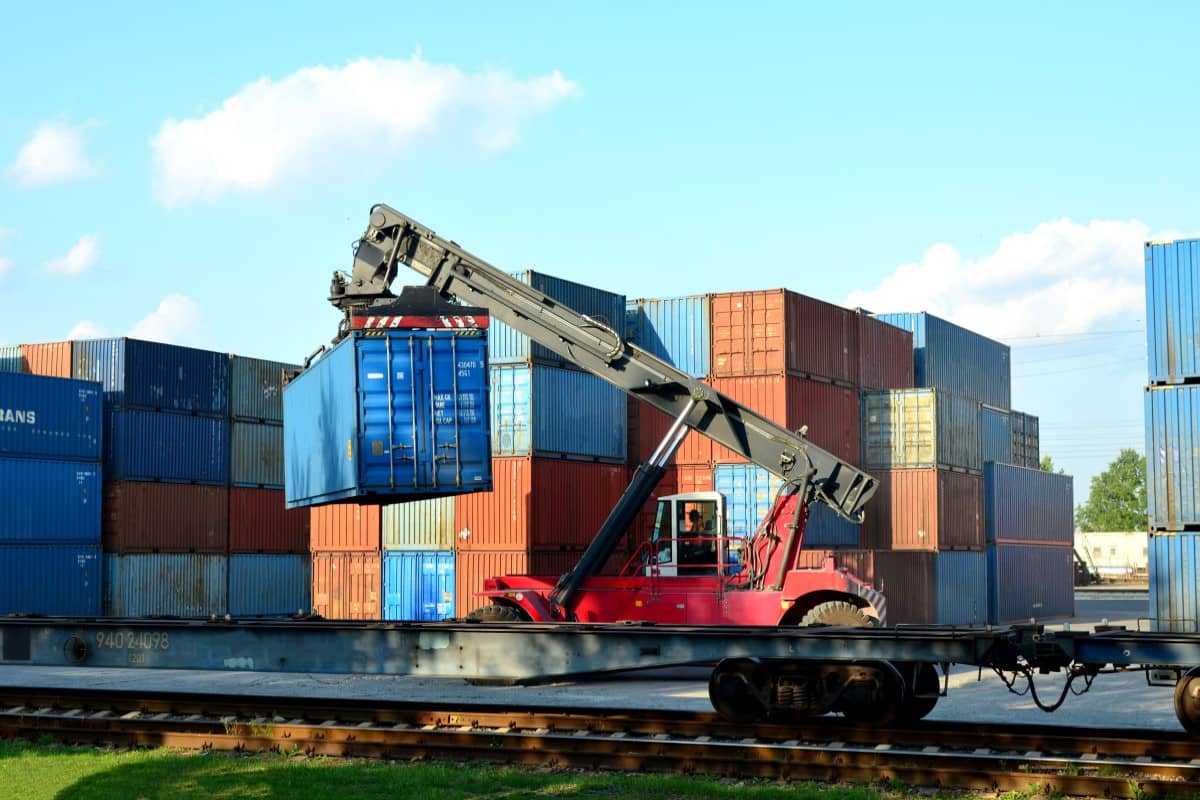
Conceptual flow. Operational relationships between a specific port, terminal, and inland location are shown only where documented.
Explore providers supporting transportation, storage, equipment, maintenance, and freight operations across North America.
First-mile, last-mile, drayage, and over-the-road providers where represented.
Represented as: Provider · service area only where documentedOperating storage and warehousing providers.
Represented as: Operating facilityInspection, repair, maintenance, and related railcar services.
Represented as: Service locationConsulting, operations, maintenance, and other supported rail services.
Represented as: Provider or service locationOperators supporting rail-to-truck and truck-to-rail freight transfers.
Represented as: Operating facilityIndustrial properties do not exist in isolation. Explore railroads, highways, ports, terminals, transload facilities, and freight services around the locations being evaluated.
Tell Commtrex what freight service or capacity you need and find providers positioned to support the move.
Commtrex helps freight providers represent their locations, services, capabilities, and network relationships where shippers and logistics teams are researching capacity.
The Commtrex Network brings together freight infrastructure, operating locations, transportation networks, service providers, and industrial properties to help users understand how freight moves and who can support it.
Users can explore railroads, ports, terminals, transload facilities, warehousing and storage locations, trucking providers, rail services, industrial properties, and other freight infrastructure represented in Commtrex.
No. Railroad proximity and documented rail service are different. Where service information is available, Commtrex keeps documented relationships separate from geographic proximity.
Not automatically. Geographic proximity does not establish an operational or commercial relationship. Access should only be represented when supported by documented information.
Commtrex represents freight infrastructure and service providers across North America, including the United States, Canada, and Mexico. Coverage varies by location, service type, and available data.
Yes. Network exploration can help identify relevant freight locations and providers. Users with a specific service or capacity requirement can continue into Commtrex Find Capacity to pursue that need.
Industrial properties can be explored alongside the transportation and freight infrastructure around them, but properties remain distinct from operating freight facilities and service providers.
Commtrex represents freight providers and operating locations across multiple service categories. Provider information and participation depend on the provider type and the data available to Commtrex.
Explore the railroads, ports, terminals, facilities, providers, and infrastructure behind freight movement across North America.