

INDUSTRIAL LAND
Pasadena, TX
- Property
- 48 acres
- Documented
- Rail-served · UP
- Proximity
- Port · 8 miTerminal · 4 mi
Fictional example. Port shown as proximity only.
Find ports and freight terminals and explore the railroads, highways, transload facilities, storage locations, and freight services that connect gateways to inland markets.
A port can encompass multiple freight terminals, operators, transportation connections, and operating locations. Understanding the specific terminal matters when evaluating how freight can move through a gateway.
Do not assume every terminal within a port has the same transportation relationships or capabilities.
Search ports and freight terminals by name, location, entity type, and supported freight-network context.
Loading ports and terminals…
Port facilities and terminals are Commtrex location records flagged as a port or a terminal. A flag does not say which port a record belongs to, so every record is listed on its own and nearby records are shown only as distance. Port hubs list only terminals with a documented port relationship.
Explore ports and terminals alongside railroads, highways, transload facilities, storage locations, freight services, and industrial properties.
Loading map…
Diamond: port facility. Circle: terminal. A bar under a marker: documented railroad link.
Start with a gateway, then explore the terminals, transportation networks, and inland freight infrastructure represented around it.
After freight reaches a terminal, railroads, trucks, transload facilities, warehouses, and other freight services connect the gateway to inland origins and destinations.
The relevant inland network depends on the terminal, freight, transportation mode, and destination.
Rail lines may run throughout a port district, but proximity alone does not establish service to a specific terminal. Where documented, Commtrex distinguishes serving railroads from nearby rail networks.
The railroad closest to a terminal is not necessarily the railroad serving it.
Explore transload facilities around port markets and inland corridors where freight can transfer between transportation modes.
A transload facility near a port is not affiliated with it unless the relationship is documented.
Illustrative examples.
Explore operating warehouses and storage locations around port and terminal markets to understand the freight infrastructure available beyond the terminal.
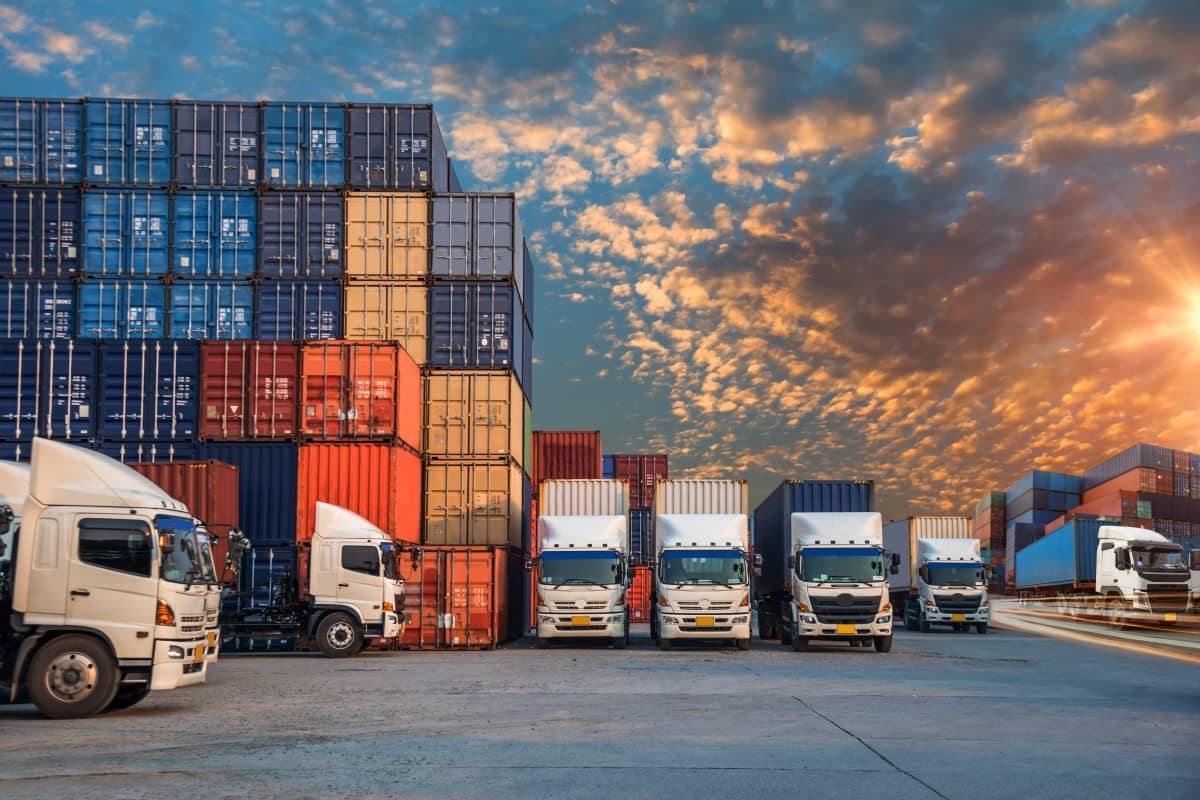
Explore trucking providers represented around freight gateways and inland markets, including supported drayage and freight transportation services.
Terminals served, port credentials, and drayage services appear on a provider only when documented. A listing does not indicate available capacity.
Search industrial land, warehouses, manufacturing properties, and logistics sites while understanding the ports, terminals, railroads, highways, and freight services around them.
A property near a port does not automatically have port access.
Fictional example. Port shown as proximity only.
Freight gateways concentrate transportation infrastructure, but geographic proximity does not automatically establish an operating relationship.
Document the connection. Map the proximity. Keep the two distinct.
Illustrative examples.
Move from port and terminal exploration into a specific freight requirement and identify providers positioned to support the inland move.
Commtrex helps ports, terminal operators, transload providers, warehouses, carriers, and other freight organizations present accurate location, service, and network information to companies evaluating freight options.
A port is the broader freight gateway or port entity. A terminal is a specific freight-handling location within or associated with that gateway. A port may include multiple terminals with different operators, capabilities, and transportation relationships.
Where terminal-level information is represented, users can explore specific freight terminals separately from the broader port or gateway.
No. Rail relationships can differ by terminal. A railroad operating within or near a port does not automatically serve every terminal in that port.
No. Geographic proximity does not establish rail service. Rail service should only be represented when a relationship to the specific terminal or location is documented.
Yes. Commtrex can provide geographic context around freight gateways, including transload facilities represented in the surrounding network. A nearby facility should not be assumed to have an operational relationship with the port unless that relationship is documented.
Users can explore operating warehousing and storage locations represented around freight markets and gateways. Availability and specific services depend on the underlying provider data.
Yes. Commtrex Industrial Real Estate allows users to evaluate industrial property alongside surrounding freight infrastructure. Port proximity should remain distinct from documented port access.
Port and terminal exploration can help identify relevant freight infrastructure and providers. Users with a specific transportation, transload, storage, or other freight requirement can continue into Find Capacity.
Explore ports and terminals alongside railroads, highways, transload facilities, storage locations, service providers, and industrial properties across North America.